
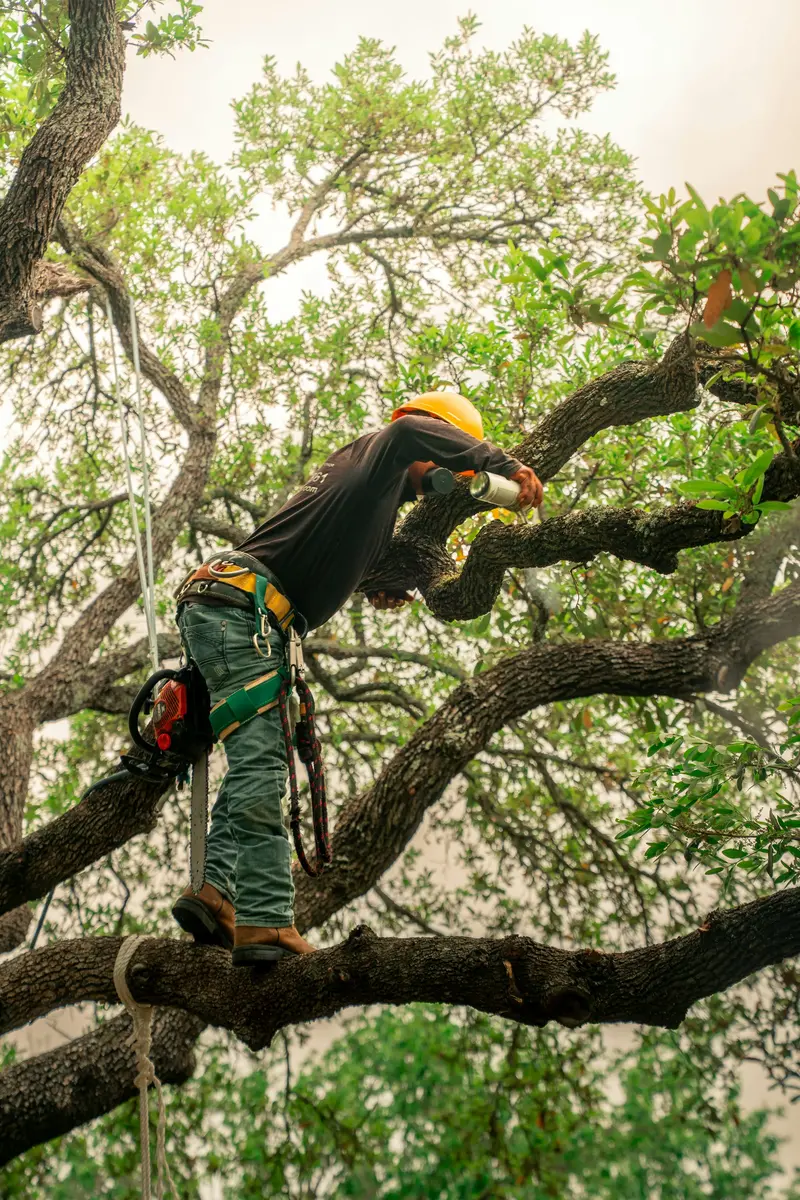
It's the Tuesday after a big storm and your phone hasn't rung once, while two streets over another crew is already up in a tree that came down on someone's fence. Nothing about your work changed overnight. Your chainsaw still starts, your climbing kit is still certified, your team still shows up on time. What changed is that the other crew was already in front of the person who needed them, and you weren't.
Figuring out how to get tree removal jobs consistently usually starts with the wrong assumption: that the answer is more flyers, a bigger Gumtree ad, or dropping your quote lower than the next guy with a bakkie and a chainsaw. That race to the bottom doesn't build a business, it just fills your week with the jobs nobody else wanted at a price that barely covers fuel and labour. The crews that stop chasing every small job are the ones who already have a pipeline of storm callouts, referral partners, and repeat property clients feeding them work before they even have to ask.
Why the Slow Weeks Aren't About Marketing
Tree removal is a trust and urgency purchase at the same time. When a tree is leaning over a roof or blocking a driveway after a storm, the person calling doesn't have time to compare five quotes, they call whoever answers first and looks like they know what they're doing. On the other end, a body corporate or property manager scheduling routine removals wants a crew that's insured, registered, and easy to book again, not the cheapest number on a WhatsApp group. Getting more tree removal jobs usually comes down to being visible at the exact moment of urgency, and being the obvious repeat choice once the first job is done well.
1. Be the Crew That Answers First After a Storm
Storm and wind damage is one of the biggest sources of urgent tree removal jobs in South Africa, and most of that demand happens in a narrow window right after the event. If your business isn't easy to find and easy to reach in the hours after a storm, that work goes to whoever is. Make sure your number is answered or returned within minutes during and after severe weather, not just during normal office hours, and keep a simple emergency callout listing on your website with your service area clearly stated.
Partnering informally with local insurance assessors and panel beaters who see storm damage first can also put your number in front of homeowners before they've even started searching. A short introduction and a card left with two or three assessors in your area costs nothing and often pays off within the first storm season.
2. Build Referral Relationships With Landscapers, Estate Agents, and Insurers
The steadiest tree removal jobs rarely come from someone searching online for the first time. They come from landscapers who spot a dangerous tree while quoting other work, estate agents preparing a property for sale, body corporate trustees managing complex grounds, and insurance assessors handling storm claims. These relationships take longer to build than an ad, but they convert far better because the introduction already carries trust.
A short list of landscapers, estate agents, and insurance assessors active in your service area
A scheduled check-in with at least two of them a month, not a once-off introduction
A one-page overview of your services, insurance, and any relevant certifications left behind at every meeting
A simple thank-you or referral fee offered when an introduction turns into a booked job
A note in your CRM or spreadsheet tracking which partner sent which lead, so you know where to invest more time
Want a Website That Explains What You Offer?
Our website design service can build you a clear, mobile-friendly site listing your services, service area, and emergency contact details, so customers and referral partners know exactly who to call before they ever need you.
3. Handle the Permit Side So the Client Doesn't Have To
A lot of confusion around tree removal jobs in South Africa comes down to permits, and most homeowners have no idea whether they need one. Under the National Forests Act of 1998, certain protected tree species may not be cut, damaged, or removed anywhere in the country without a licence from the Department of Forestry, Fisheries and the Environment, even on private property. Removing a protected tree without that licence can carry serious penalties, so this isn't a detail worth guessing on.
On top of the national rules, many municipalities have their own bylaws. In the City of Tshwane, for example, a permit is required to remove any tree with a trunk circumference of 500mm or more, measured at 1.3 metres from the ground, regardless of species. Rules differ from one municipality to the next, so knowing the local requirements in your own service area, and being able to explain them clearly, sets you apart from a crew that just shows up with a chainsaw. Offering to check whether a tree is protected, or assisting with the permit application as part of the quote, turns a confusing legal question into a reason to hire you over a competitor who never mentions it.
4. Turn Every Finished Job Into Proof for the Next One
A finished removal is one of the easiest things in this trade to turn into proof, and most crews leave it on the table. A few clear before-and-after photos, taken on every job regardless of size, build a portfolio that shows real capability far better than a generic description of services. Ask satisfied clients for a short review straight after the job, while the relief of a cleared driveway or a safe roofline is still fresh, rather than weeks later when the memory has faded.
Photos of large or technically difficult removals, crane-assisted felling, working near power lines, sectional dismantling close to a house, are particularly valuable, since they answer the exact question a nervous client is asking themselves: can this crew actually handle my tree safely.
5. Track Municipal and Body Corporate Work Like a Pipeline
Municipalities, schools, and body corporates all budget for regular tree maintenance and removal, and this work is often awarded through a formal quote or tender process rather than word of mouth. Most small tree felling businesses check for these opportunities occasionally instead of systematically, which means solid contracts get missed simply because nobody was watching the municipal tender bulletin or the body corporate's maintenance schedule.
Assigning one person to check for these opportunities on a set day each week, and responding promptly and completely rather than scrambling near the deadline, is often the difference between winning repeat municipal or complex work and never being considered for it at all.
- Answer fast during and after storms. Urgent callouts go to whoever picks up the phone first, not whoever's cheapest
- Build direct relationships with landscapers, estate agents, and insurance assessors who see dangerous trees before the homeowner calls anyone
- Know the permit rules in your area, both the National Forests Act protections and local municipal bylaws, and offer to help clients navigate them
- Photograph every job, especially the technically difficult ones, and ask for a review right after the work is done
- Treat municipal and body corporate opportunities as a tracked pipeline with a dedicated owner, not something checked occasionally
This is what how to get tree removal jobs actually looks like in practice. Not underbidding every crew in town, but being the one who answers first after a storm, building real relationships with the people who spot dangerous trees before anyone else does, and being organised enough that permits and paperwork never slow a job down. Once these pieces are in place, most of it keeps working quietly in the background while you focus on the trees you're already cutting. If your current website isn't pulling its weight in that mix, take a look at our website design services and we'll help you build one that does.