
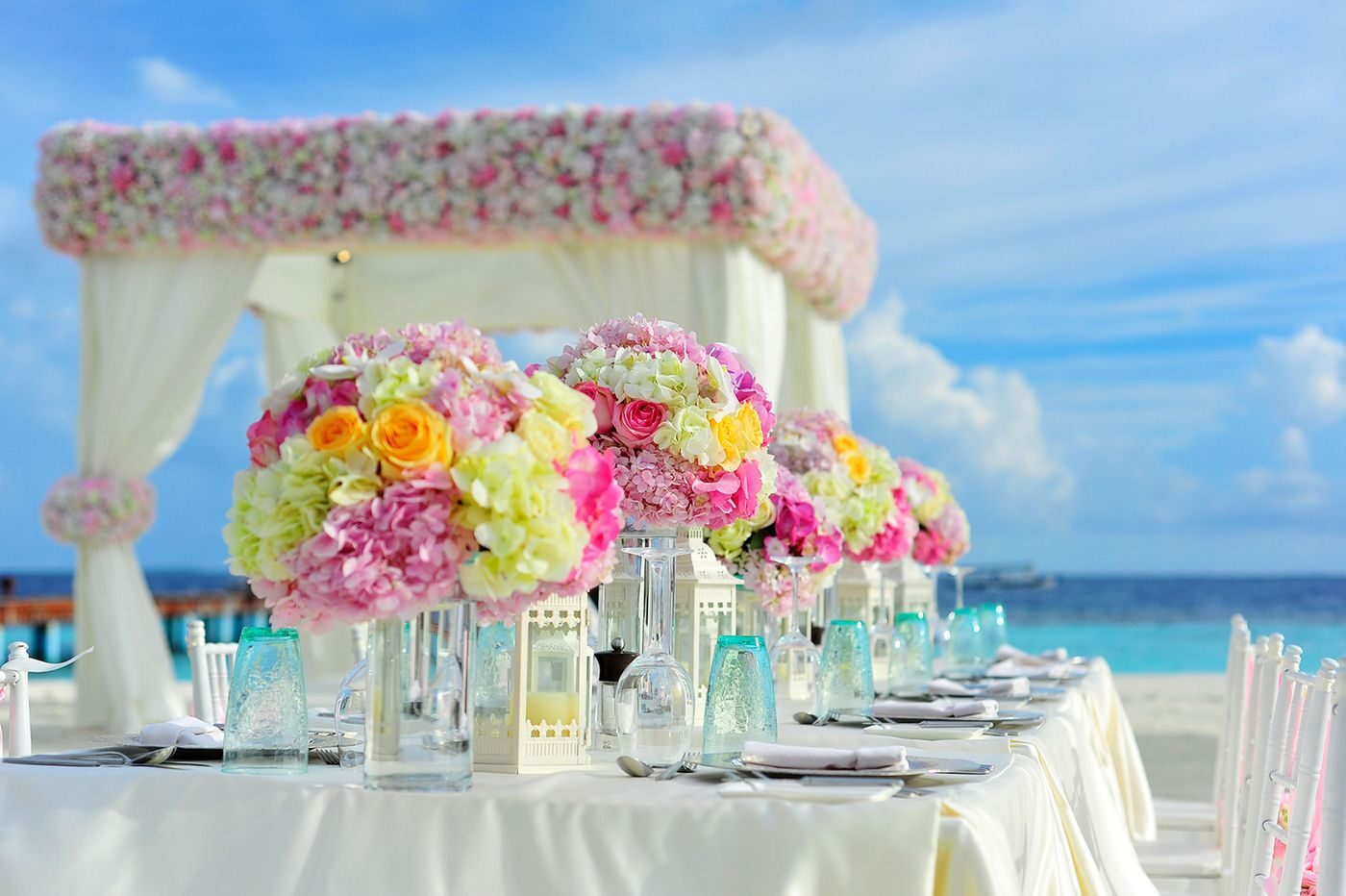
It's a Tuesday morning and the function room is empty again. The last three enquiries were all for the same two Saturdays in December, and every couple who called this month wanted a date that was already taken. This is the strange trap of running an event venue. Figuring out how to get bookings for an event venue isn't usually about attracting more interest. It's about the interest arriving in the wrong shape, crowded onto a handful of weekend dates while the rest of the calendar sits empty.
A venue that only markets itself for Saturday weddings will always have this problem, no matter how good the space looks in photos. The venues that stay busy year round aren't just the prettiest ones. They're the ones planners already trust to be compliant and easy to work with, and the ones that have found a second and third kind of client to fill the days a wedding never will.
Why a Great Weekend Calendar Isn't the Same as a Full One
A venue can look fully booked on paper and still be losing money most weeks, if every booking is squeezed into the same few in demand dates. Getting bookings for an event venue in a way that actually stabilises income means widening who you're visible to and when, not just competing harder for the same Saturday in peak wedding season.
1. Build Referral Relationships With Planners and Caterers
Wedding and event planners are usually the ones narrowing down venue options before a client ever sees a shortlist. A planner who trusts your venue to be ready on time, communicate clearly about setup access, and handle last minute changes without drama will put you forward ahead of a venue they've never worked with. The same applies to caterers and decor companies, who often get asked for venue recommendations directly by clients still searching.
Invite a handful of local planners and caterers for a walkthrough of your space before you need the business. A planner who has seen the venue empty, and understood the layout for themselves, recommends it far more confidently than one working off a photo.
2. Fill the Midweek and Off Season Gaps With a Different Kind of Client
Weddings and big social events cluster heavily around weekends and the warmer months, but corporate training days, product launches, workshops, and small conferences don't need a Saturday at all. Actively marketing your space for these midweek uses, often at a lower day rate than a full wedding package, turns dead weekday calendar space into real income instead of leaving it empty.
3. Make Your Compliance and Capacity Paperwork Visible
Every event venue in South Africa needs a certified safe capacity for its space, and a current fire compliance certificate under the Occupational Health and Safety Act, which for higher risk spaces like assembly venues can need renewal every three to six months rather than once every few years. If alcohol will be sold rather than simply served, whoever is hosting the event also needs a temporary or event liquor licence, and that application needs to be submitted around 40 days before the event to avoid a late penalty.
Most clients don't know these details, but a venue that can clearly state its certified capacity, confirm its fire compliance is current, and explain the liquor licence timeline upfront removes a source of last minute stress that a less organised competitor will leave the client to discover on their own.
Your certified maximum capacity, seated and standing, so clients can plan guest numbers accurately
A current fire compliance certificate, with its renewal date noted so nothing lapses mid booking
A clear explanation of the liquor licence process and its roughly 40 day lead time, especially for events where alcohol will be sold
A written policy on outside catering, in-house catering requirements, and any corkage or exclusivity terms
A simple site plan showing layout, parking, and access for setup and breakdown times
Want a Website That Answers These Questions Upfront?
Our website design service can build you a clear, mobile-friendly site with your capacity, pricing, and policies laid out plainly, so clients arrive at a site visit already informed instead of starting from scratch.
4. Treat the Site Visit as Where the Booking Is Actually Won
Photos rarely capture how a space actually feels once it's set up, and most clients want to walk the room, check the acoustics, and picture their own event in it before committing. A site visit that's rushed or poorly guided leaves that decision to guesswork. Walking a client through exactly how their layout would work, pointing out practical details like plug points and natural light at different times of day, turns a vague interest into a confident yes far more often than any brochure can.
5. Show Up When Someone Searches for a Venue Near Them
Not every enquiry comes through a planner. Someone organising a birthday, a corporate function, or a smaller private event will often search directly for a venue nearby rather than ask around. If your Google Business Profile is incomplete or your website is slow to load, that search sends them to a competitor instead.
This is the part of getting bookings that keeps working without daily effort. A local SEO setup done properly means your venue shows up for searches like "wedding venue" or "function venue" plus your city, on top of whatever referrals bring in.
6. Use a Clear Deposit Process So Interest Becomes a Confirmed Date
A promising enquiry that hasn't been followed up with a deposit request isn't a booking, it's an open conversation a client can quietly let go cold while they keep looking elsewhere. A clear deposit requirement to hold the date, explained during the site visit and confirmed again in writing, turns genuine interest into a date that's actually locked into your calendar.
Spelling out the deposit, cancellation, and rescheduling terms from the start also protects both sides if a client's plans change, which matters more in a business where a single lost weekend can mean weeks of income.
- A packed weekend calendar isn't the same as a stable income. Widen who you're visible to, not just how hard you compete for the same in demand dates
- Build direct referral relationships with wedding and event planners, and with the caterers clients often ask for venue recommendations
- Market your space for midweek and off season use, like corporate events and workshops, to fill the days weddings never will
- Keep your certified capacity, fire compliance certificate, and liquor licence timeline visible and up to date, since it removes stress most clients don't know to ask about
- Treat every site visit as a decisive moment, not a formality, and guide clients through exactly how their event would work in the space
- Complete your Google Business Profile so people searching directly for a venue in your area can actually find you
- Use a clear deposit and cancellation policy so genuine interest turns into a confirmed date rather than a maybe
This is what how to get bookings for an event venue actually looks like in South Africa. Not just chasing more Saturday enquiries, but becoming the venue planners already trust, filling the midweek and off season gaps with a different kind of client, being upfront about compliance and capacity, guiding every site visit with confidence, showing up locally for the searches that matter, and locking in interest with a clear deposit process. Once these pieces are in place, most of it keeps filling your calendar quietly in the background. If your current website isn't pulling its weight in that mix, take a look at our website design services and we'll help you build one that does.